
Published January 27, 2026
From the J‑Curve to the Closing Table: Stephen Curry’s Performance Playbook for El Dorado Hills Real Estate

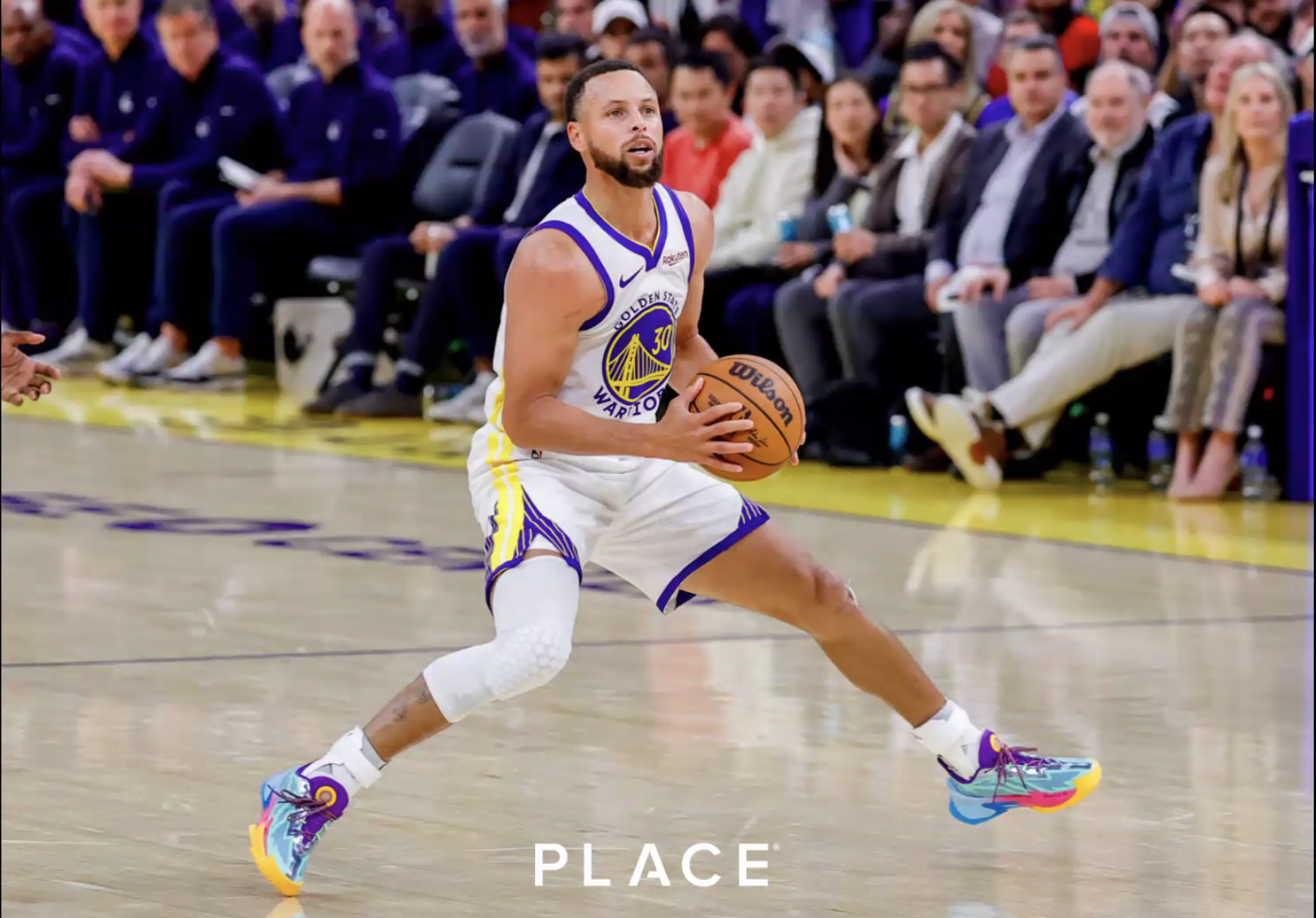
What elite athletic discipline can teach agents, investors, buyers, and sellers about winning in slow markets, competitive negotiations, and long-term wealth building.
The Part No One Posts: The Dip Before the Breakthrough
Stephen Curry describes the most uncomfortable phase of growth as the moment when you’ve committed to something, but nothing is paying you back yet. You’re practicing, refining, showing up every day — and the scoreboard hasn’t moved.
In real estate, this phase looks familiar.
It’s the seller who lists in a shifting market and wonders why showings feel lighter than expected. It’s the buyer who loses a second or third offer in a competitive neighborhood and starts questioning the strategy. It’s the agent who invests in systems, coaching, and branding long before the results show up in closed transactions.
Curry calls this the start of the J‑Curve: the dip that comes before the rise. The mistake most people make is treating that dip as failure instead of training.
The professionals who win long-term don’t panic in the dip. They get “shot ready.”
Process Beats Hope: Pricing, Marketing, and the Discipline of Repetition
One of Curry’s most revealing insights is about mechanics. For months, he restricted his own shooting — focusing on form and consistency instead of highlight plays. The work was slower, harder, and far less glamorous. But it built a foundation that eventually made the game feel effortless.
Real estate works the same way.
For Sellers
Great outcomes rarely come from “let’s try this price and see what happens.” They come from disciplined preparation:
- Studying buyer behavior, not just recent sales
- Understanding how days on market affect leverage
- Pricing to create momentum instead of chasing the market down
When sellers focus on the process — positioning, presentation, timing, and data — the results tend to follow.
For Agents
Marketing systems, follow-up workflows, pricing models, and team standards don’t produce instant gratification. They produce something better: predictability. Over time, consistency becomes your competitive advantage.
Curry’s lesson here is simple: repetition creates freedom. When your fundamentals are solid, you can play creatively under pressure.
Flow State and the Negotiation Table
Curry talks about “flow” as the moment when discipline turns into freedom. When preparation is deep enough, performance becomes instinct.
In real estate, flow shows up in negotiations.
The agent who knows the market cold doesn’t react emotionally to low offers or aggressive terms. They respond strategically. The investor who understands their numbers doesn’t chase deals — they wait for alignment. The buyer who has clarity on priorities doesn’t get derailed by every counteroffer.
Flow isn’t confidence without work. It’s confidence because of the work.
Coaching, Criticism, and Why High Performers Invite Feedback
Curry describes how great coaches test you early. They give you instructions, watch how you listen, and see how you respond to criticism.
Real estate leaders do the same.
For Teams and Brokerages
Strong cultures aren’t built on motivation. They’re built on standards:
- Clear expectations for service
- Honest performance reviews
- Systems that make excellence repeatable
The best agents aren’t just talented — they’re coachable. They treat feedback as a shortcut, not a threat.
For Clients
The strongest buyer and seller relationships are built on trust, not agreement. Sometimes the most valuable guidance is the advice you don’t want to hear — about pricing, timing, or market realities.
Growth rarely feels comfortable in the moment. It feels obvious in hindsight.
Joy as a Competitive Advantage
Curry makes a surprising claim: when everyone is working hard, what sets the best apart is joy.
In real estate, burnout is common. The hours are long, the stakes are high, and the outcomes aren’t always fair. The professionals who last — and lead — are the ones who stay connected to why they do the work.
For investors, joy can look like patience — watching a long-term strategy compound instead of chasing every headline. For agents, it’s pride in craftsmanship: delivering a level of service that clients remember and refer. For buyers and sellers, it’s clarity — knowing decisions are aligned with real life goals, not just market noise.
Joy doesn’t replace discipline. It sustains it.
Measure What Matters: Data Over Emotion
Curry ends his workouts by shooting 100 three-pointers — not for the highlight, but for the data. He tracks his progress so he doesn’t have to rely on feelings.
Real estate rewards the same mindset.
- Investors track yield, cash flow, and long-term appreciation — not just market buzz
- Sellers track showing volume, buyer feedback, and price positioning — not just online views
- Agents track conversion rates, follow-up performance, and pipeline health — not just closed deals
Feelings are real. But data keeps you honest.
The Discomfort That Signals Change
“The times when you’re most uncomfortable are the inflection points in your life.”
In real estate, those moments often come before the biggest breakthroughs:
- Raising your standards as an agent
- Making your first serious investment
- Selling a home that represents a major life chapter
- Trusting a strategy when the market feels uncertain
Discomfort isn’t a warning sign. It’s often a signal that you’re playing at a higher level.
Practical Takeaways
For Agents
- Build systems before you need them
- Track performance metrics weekly, not emotionally
- Invite coaching and feedback as a competitive edge
For Investors
- Let strategy outlast headlines
- Measure returns, risk, and cash flow consistently
- Stay patient during the “dip” phase of long-term plays
For Buyers
- Know your non-negotiables before you negotiate
- Separate emotion from leverage
- Trust preparation over urgency
For Sellers
- Price for momentum, not ego
- Watch market signals, not just comps
- Choose process over guesswork
The Long Game Standard
The great players in Curry’s world all share the same trait: they believe they can be the best — and they still show up every day trying to get better.
In real estate, the same mindset defines market leaders.
Whether you’re building a portfolio, a brand, or a future home, the standard isn’t winning one deal. It’s building a process that keeps working when the market changes.
That’s how championships — and legacies — are built.
If you’d like to explore how disciplined pricing, market data, and strategy can change your results as a buyer, seller, or investor, I’m always happy to share what I’m seeing on the ground in today’s market.
Local Market Edition: El Dorado Hills, Serrano & Northern California Luxury Real Estate
In communities like El Dorado Hills, Serrano Country Club, Blackstone, and the custom home corridors overlooking Folsom Lake, the "J-Curve" is especially visible.
Luxury real estate rarely moves on urgency alone. It moves on confidence, positioning, and perceived value — and those are built long before the first showing is scheduled.
High-end buyers in Serrano and El Dorado Hills don’t just compare price. They compare:
- Architecture and build quality
- View orientation and privacy
- HOA standards and community amenities
- Lot placement and long-term resale appeal
- How a home is positioned relative to competing inventory
That means sellers who win aren’t the ones who "test the market." They’re the ones who prepare the market.
This is where Curry’s discipline-first mindset shows up in real estate strategy.
Pricing Like a Professional, Not a Gambler
In luxury neighborhoods, pricing is less about averages and more about probability.
Every price point in El Dorado Hills and Serrano creates a different buyer pool, a different showing velocity, and a different negotiating posture. The strongest sellers don’t ask, "What’s the highest number we can list at?" They ask:
Where does buyer behavior actually change?
That question drives decisions about:
- Whether to anchor inside or outside a psychological search band
- How long a listing can stay fresh before leverage shifts to buyers
- When multiple-offer scenarios are realistically achievable
This is the real estate version of Curry’s 100-shot measurement. Feelings don’t set strategy. Data does.
The Serrano Effect: Standards Create Signal
Serrano Country Club is a market within a market.
Buyers there aren’t just buying a home — they’re buying a standard of living, community identity, and long-term prestige.
That means every detail becomes a signal:
- Photography and cinematic video quality
- Listing language and how value is framed
- Showing experience and follow-up
- How pricing aligns with recent successful sales, not just active competition
In Curry’s words, "You only attract what you put out."
Luxury listings that project confidence tend to attract confident buyers.
Investors in El Dorado Hills: Playing the Long Game
For investors, El Dorado Hills sits in a rare category: strong owner-occupant demand, limited land supply, and long-term desirability driven by schools, access to Folsom Lake, and proximity to Sacramento’s professional and executive job base.
The J-Curve shows up in:
- Development holds
- High-quality renovation projects
- Long-term rental strategies in premium neighborhoods
Short-term volatility is noise. Long-term positioning is signal.
A Note to Luxury Sellers
Selling a home in Serrano or the upper tiers of El Dorado Hills isn’t about finding a buyer. It’s about finding the right buyer — one who understands the lifestyle, the craftsmanship, and the value story behind the property.
That requires:
- Strategic pre-market positioning
- Pricing that creates confidence, not friction
- Marketing that reflects the standard of the home itself
This is where discipline quietly outperforms drama.
Local Takeaways
For El Dorado Hills & Serrano Sellers
- Price for response, not for reaction
- Invest in presentation that signals confidence
- Track buyer behavior weekly, not emotionally
For Local Buyers
- Understand micro-neighborhood pricing bands
- Watch how long similar homes actually take to secure offers
- Let preparation beat urgency
For Local Investors
- Focus on scarcity, schools, and long-term demand drivers
- Measure performance annually, not seasonally
- Let quality locations compound
Why This Market Rewards Standards
The best agents, investors, and sellers in El Dorado Hills don’t compete on speed alone. They compete on clarity, preparation, and consistency.
That’s what turns strong markets into enduring ones.
And just like in elite sports, the real advantage isn’t doing one deal well.
It’s building a system that keeps working — even when the market doesn’t.
See how we use data to price your home and build strategy - The Yoffie Real Estate Group Smart Seller Pricing System
.jpg)
